top of page

Stone Chips, Salt and Grit: Does Your Car Need PPF This Winter?

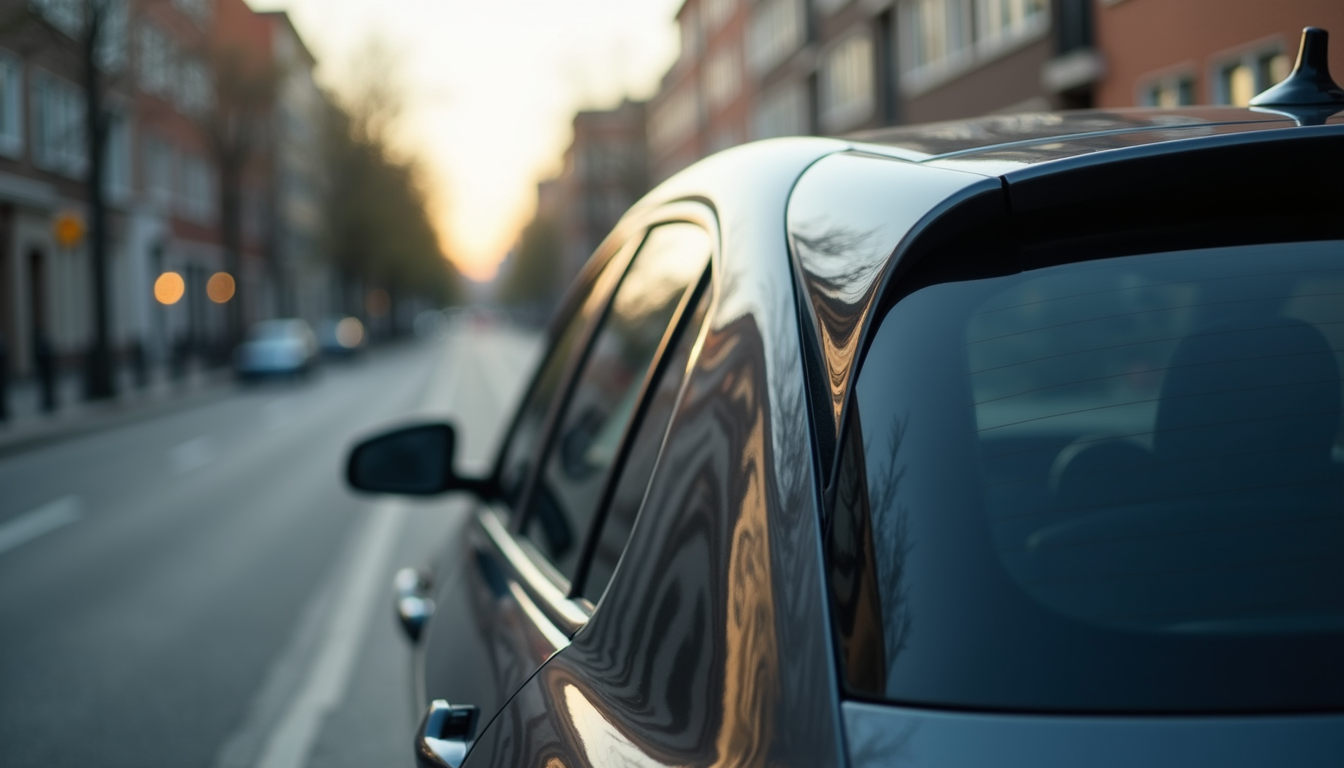
Every winter the roads around Wakefield get covered in salt and grit. It keeps us moving, but it's hard on your paint. Tyres flick it up at speed, and the front of your car takes the hit mile after mile on the M1, the M62 and every gritted B-road in between.

Paint protection film (PPF) is a clear, self-healing layer that takes those hits so your paint doesn't. Here's what winter does to a car, which areas suffer most, and what your options are.

What winter roads do to your paint

Grit and small stones hit the front of the car hard enough to chip the clear coat and paint. Once a chip goes through to the primer or bare metal, salty road water has a way in. A small chip in November can be a much bigger job by spring.

Polishing or touching up chips afterwards only goes so far. Stopping them from happening in the first place is the better fix, and that's exactly what PPF is for.

The areas that chip first

  • Bonnet leading edge

  • Front bumper and splitter

  • Headlights

  • Wing mirrors

  • Door edges and door cups

  • Sills and the area behind the wheel arches

These are the spots we see damaged most. You don't need to cover the whole car to protect them.

Your PPF options at AKtints

We fit self-healing XPEL paint protection film. Light swirls and marks in the film's top coat disappear with heat, so it keeps looking glossy. Depending on how you use the car and your budget, you can go for:

  • Headlights and high-impact edges: a small job that protects the bits that cop the most damage

  • Front end: the bumper, bonnet, wings and mirrors, where most stone chips land

  • Full body: every painted panel protected, for complete peace of mind

  • Track pack and Stealth packages: ask us and we'll talk you through them

Not sure which you need? Tell us what you drive and how you use it, and we'll recommend what makes sense.

Is winter a good time to fit PPF?

Yes. The sooner the film goes on, the sooner it's protecting your paint, and winter is when the front of the car takes the most punishment. Fitting it before the worst of the gritting season means the chips never happen.

Looking after PPF through winter

  • Rinse road salt off regularly, especially the front end and lower panels

  • Use a pH-neutral car shampoo

  • Keep pressure-washer nozzles away from the film's edges

  • Ask us if you're unsure about any products you use

Get a free PPF quote in Wakefield

AKtints is based at Colliery Approach, Wakefield, WF3 3JG, and fits PPF for drivers across Wakefield, Leeds and West Yorkshire. We're open Monday to Friday, 9am to 5pm.

Get your free, no-obligation quote at aktints.co.uk/contact-us. Protect it now, and your paint will thank you in spring.

More from the blog

  • Maximising Legal Car Modifications in the UK

    Maximising Legal Car Modifications in the UK

    When it comes to upgrading your car, the UK has plenty of options that let you boost style, performance, and comfort without breaking the law. If you’re in Leeds or West Yorkshire and want to make your vehicle stand out, knowing what’s legal and how to do it right is key. I’m here to walk you through the best ways to make legal car upgrades UK-style, with practical tips and clear advice. Understanding Legal Car Upgrades UK: What You Can and Can’t Do Before diving into modifications, it’s...
  • Protect Your Vehicle with XPEL Paint Protection Film

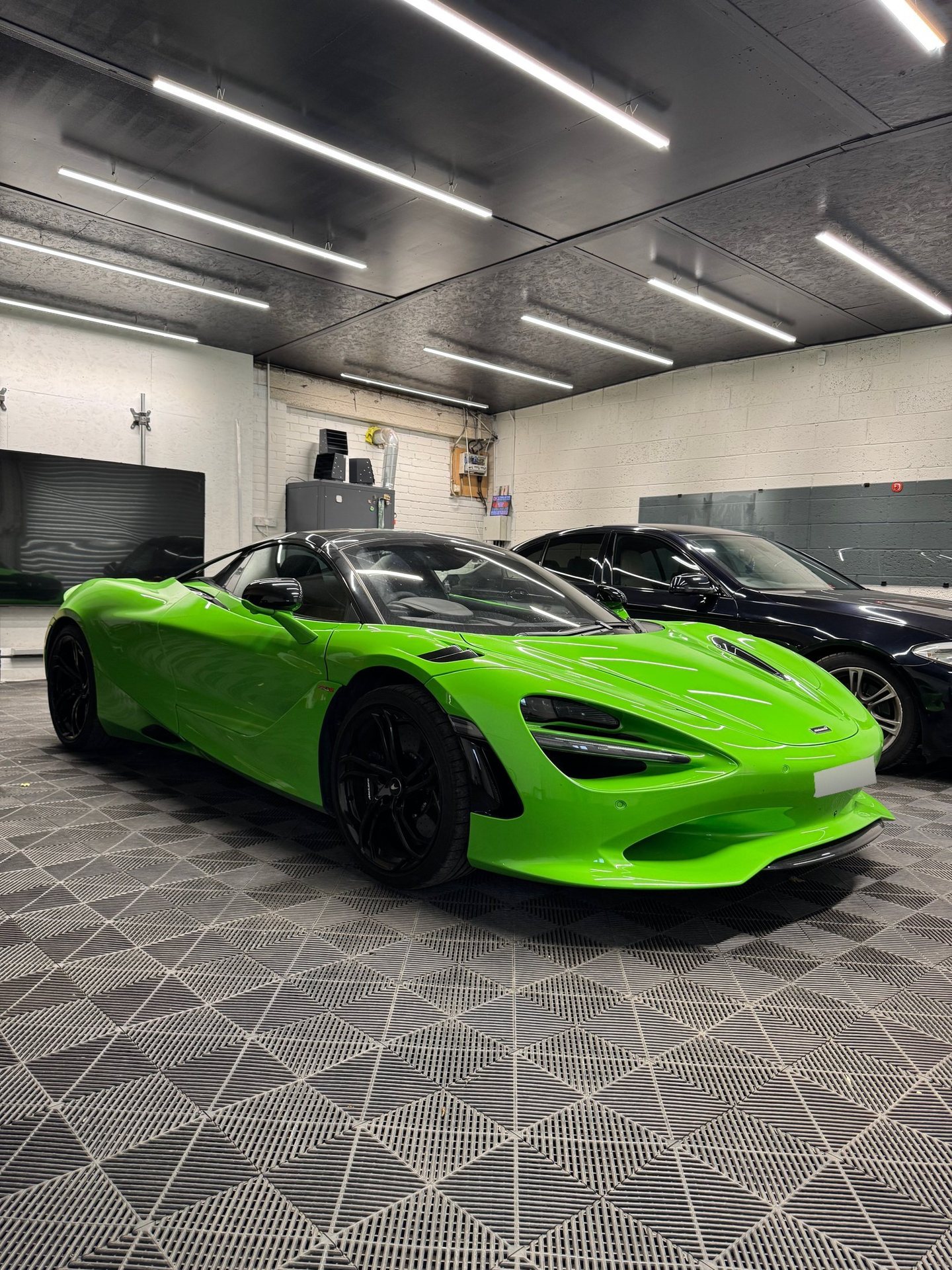
    Protect Your Vehicle with XPEL Paint Protection Film

    ✅ What Is Paint Protection Film? Paint Protection Film (PPF) is a clear, ultra-durable polyurethane film applied to the exterior of your vehicle. It protects your paint from: Stone chips Scratches Road salt UV damage Bird droppings Insect acid Vandalism XPEL takes this even further — with self-healing tech, stain resistance, and a 10-year warranty. 💎 7 Key Benefits of XPEL PPF 1️⃣ Self-Healing Technology XPEL PPF can actually repair itself. Light scratches and swirl marks disappear with heat...
  • UK Window Tinting Laws Explained (2026 Update)

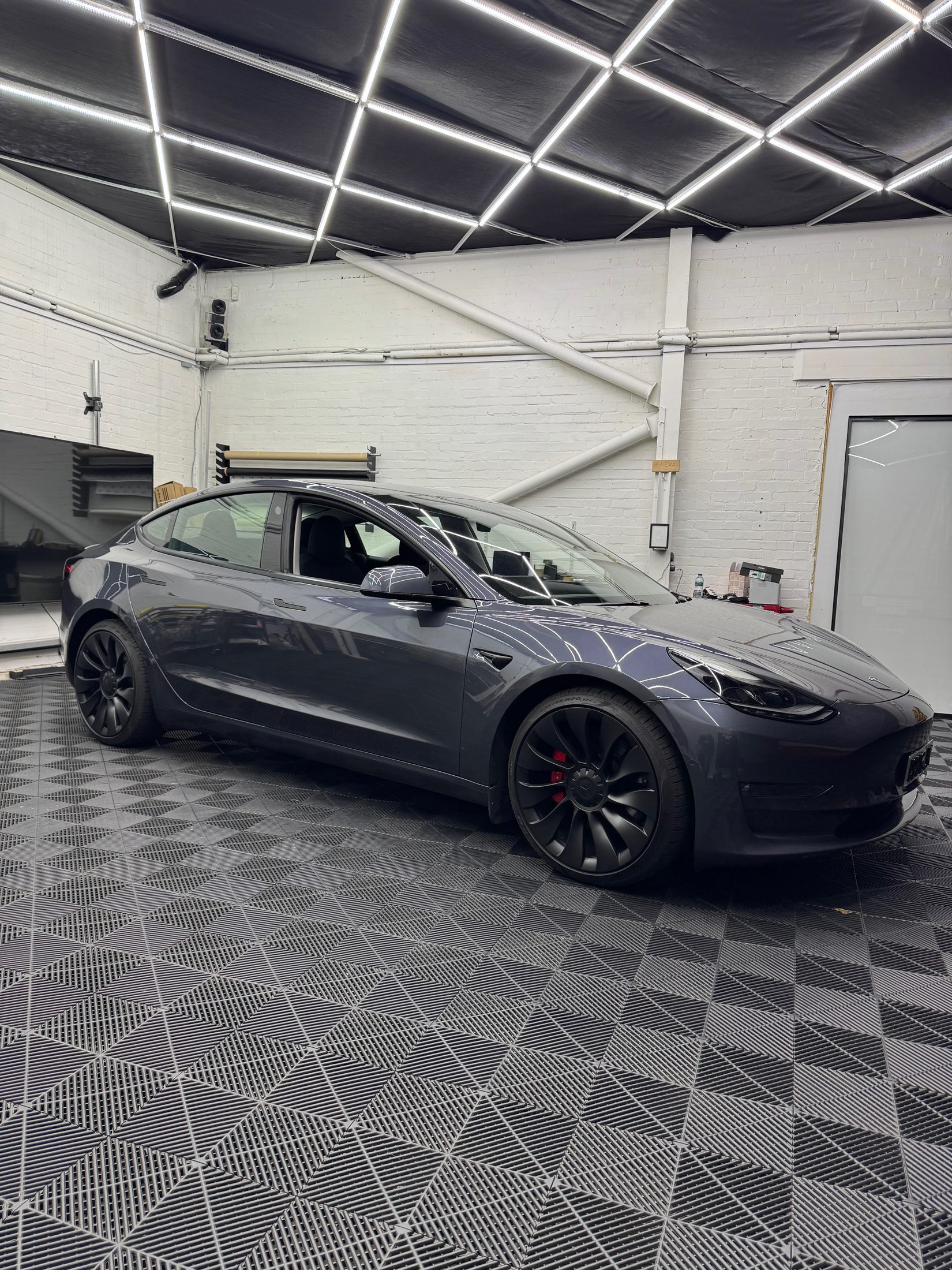
    UK Window Tinting Laws Explained (2026 Update)

    ⚖️ What Are the UK Rules on Car Window Tinting? The law varies depending on which windows you’re tinting. Here’s a quick breakdown: Window Legal Light Transmission (VLT) What This Means Front Windshield Must let at least 75% of light through Only a light sun strip at the top is allowed. Front Side Windows Must let at least 70% of light through Light tints are legal; dark tints are not. Rear Side & Back Windows No legal limit You can tint these as dark as you want. ❌ What Happens If Your Tints...

bottom of page